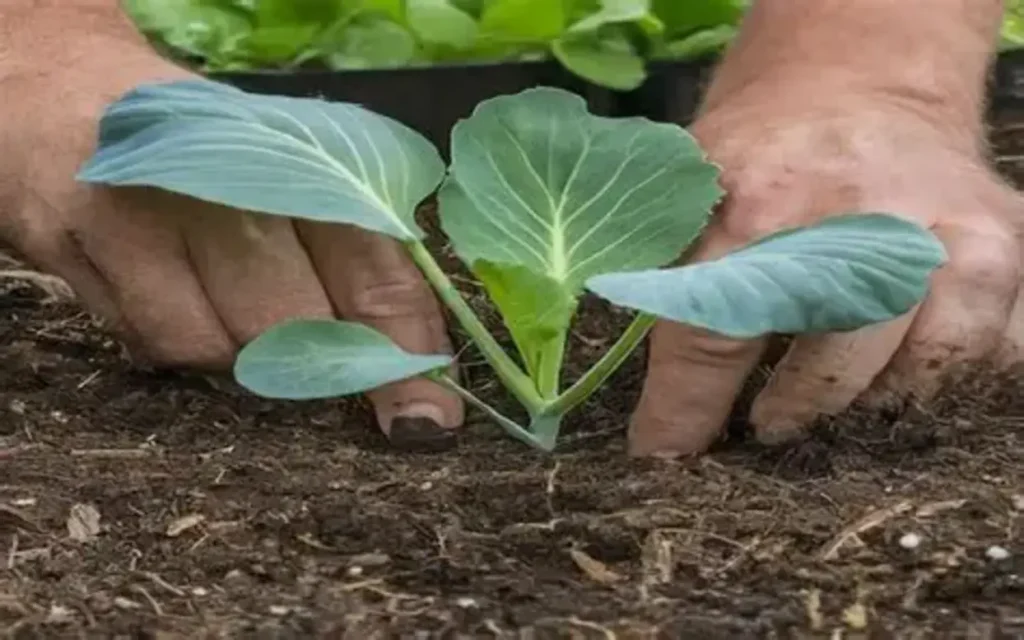
Cabbage is one of the most rewarding vegetables to grow, making it an excellent choice for beginners and experienced gardeners alike. Known for its versatility in the kitchen and impressive nutritional value, cabbage thrives in cool weather and can produce abundant harvests with proper care. Whether you have a spacious backyard or a small raised bed, learning the basics of planting and caring for cabbage can help you enjoy fresh, homegrown produce throughout the season.
Why Grow Cabbage?
Cabbage is a member of the Brassica family, which also includes broccoli, cauliflower, and kale. It is rich in vitamins C and K, antioxidants, and dietary fiber, making it a healthy addition to meals. Beyond its nutritional benefits, cabbage is relatively easy to grow and can adapt to various climates.
Popular cabbage varieties include:
- Green cabbage – Ideal for salads, soups, and stir-fries.
- Red cabbage – Rich in antioxidants and commonly used in slaws.
- Savoy cabbage – Features crinkled leaves and a mild flavor.
- Napa cabbage – Popular in Asian cuisine and kimchi recipes.
Choosing the right variety depends on your climate, culinary preferences, and available growing season.
Selecting the Right Location
Cabbage grows best in areas that receive at least six hours of direct sunlight daily. A sunny location promotes healthy leaf development and larger heads.
When selecting a planting site, consider the following:
- Ensure good air circulation.
- Avoid areas prone to standing water.
- Use fertile, well-drained soil.
- Rotate crops annually to reduce disease problems.
Cabbage prefers soil with a pH between 6.0 and 7.5. Adding compost or aged manure before planting can improve soil fertility and structure.
Starting Cabbage from Seeds
Many gardeners start cabbage indoors several weeks before the last frost date. Starting seeds indoors allows plants to establish strong roots before transplanting.
Seed Starting Tips
- Fill seed trays with quality seed-starting mix.
- Sow seeds about ¼ inch deep.
- Keep the soil moist but not waterlogged.
- Maintain temperatures between 65°F and 75°F (18°C–24°C).
- Provide adequate light for healthy seedlings.
Seeds usually germinate within 7 to 14 days. Once seedlings develop two or three true leaves, they are ready for transplanting.
Transplanting Seedlings
Transplant cabbage seedlings outdoors after they have hardened off and temperatures are consistently cool. Space plants approximately 18 to 24 inches apart to provide enough room for head formation.
When transplanting:
- Dig holes deep enough to cover the roots.
- Firm the soil gently around the plant.
- Water thoroughly after planting.
- Apply mulch to retain moisture and suppress weeds.
Proper spacing improves airflow and reduces the risk of fungal diseases.
Watering Requirements
Consistent moisture is essential for producing firm, healthy cabbage heads. Uneven watering can lead to split heads or poor growth.
For best results:
- Provide about 1 to 1.5 inches of water per week.
- Water deeply rather than frequently.
- Avoid wetting the leaves late in the day.
- Use drip irrigation or soaker hoses whenever possible.
Mulching around plants helps maintain soil moisture and keeps weeds under control.
Fertilizing for Healthy Growth
Cabbage is considered a heavy feeder and benefits from regular fertilization. Before planting, enrich the soil with compost or balanced organic fertilizer.
During the growing season:
- Apply nitrogen-rich fertilizer several weeks after transplanting.
- Side-dress plants once heads begin to form.
- Avoid excessive fertilizer, which can delay head development.
Healthy nutrition encourages vigorous leaf growth and larger harvests.
Protecting Cabbage from Pests
Several pests commonly attack cabbage plants. Early detection and preventive measures are essential.
Common Cabbage Pests
Cabbage Worms
These green caterpillars feed on leaves and can quickly damage plants.
Control methods include:
- Handpicking caterpillars.
- Using floating row covers.
- Applying organic biological controls when necessary.
Aphids
Aphids cluster on leaves and suck plant sap, weakening growth.
Solutions include:
- Spraying plants with water.
- Encouraging beneficial insects such as ladybugs.
- Using insecticidal soap when infestations become severe.
Slugs and Snails
These pests thrive in moist environments and chew holes in leaves.
Preventive measures include:
- Removing debris around plants.
- Using traps or barriers.
- Watering early in the day.
Maintaining a clean garden helps reduce pest populations naturally.
Preventing Diseases
Cabbage can suffer from diseases such as black rot, clubroot, and downy mildew. Prevention is often easier than treatment.
To minimize disease problems:
- Practice crop rotation.
- Avoid overcrowding plants.
- Use disease-resistant varieties.
- Water at the base rather than overhead.
- Remove infected plant material promptly.
Healthy growing conditions greatly reduce the likelihood of serious outbreaks.
Harvesting Cabbage
Cabbage is typically ready for harvest 70 to 100 days after planting, depending on the variety. Heads should feel firm and compact when gently squeezed.
To harvest:
- Use a sharp knife to cut the head at the base.
- Leave the outer leaves and roots in place.
- Smaller secondary heads may develop for additional harvests.
Harvesting at the right stage ensures the best flavor and texture.
Storing Fresh Cabbage
Fresh cabbage stores remarkably well. Under cool conditions, heads can remain fresh for several weeks.
Storage tips include:
- Keep cabbage in the refrigerator.
- Avoid washing until ready to use.
- Store in perforated plastic bags.
- Maintain temperatures near 32°F (0°C).
Cabbage can also be preserved through fermentation, freezing, or pickling.
Final Thoughts
Growing cabbage is an enjoyable and practical way to produce nutritious vegetables at home. With the right location, fertile soil, regular watering, and proper pest management, even beginner gardeners can achieve impressive results. By following these simple planting and care techniques, you can enjoy crisp, flavorful cabbage straight from your garden and experience the satisfaction of harvesting one of the most versatile vegetables available.
Article post by: toko sulfur – belirangkalisari