Food packaging has become an important part of the modern dining experience. Restaurants, bakeries, cafés, food trucks, and catering businesses need packaging that does more than simply hold food. It should protect products, support convenient handling, and create an attractive presentation that customers remember.
Paper packaging is especially useful because it can be adapted to many different food applications. Depending on the material and construction, it can be used for wrapping sandwiches, lining trays, protecting pastries, separating baked goods, or supporting food preparation.
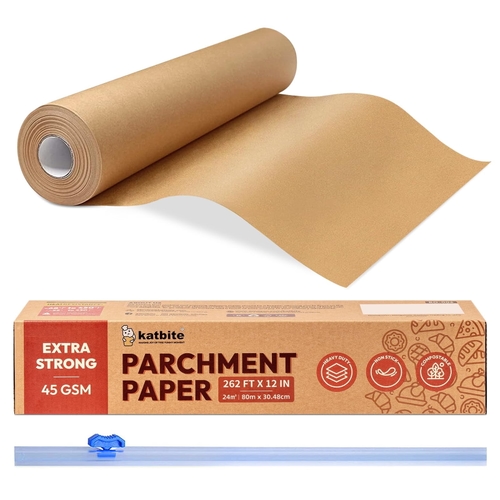
For businesses that require heat resistance and non-stick performance, custom parchment paper for food can be a versatile packaging solution. Parchment is commonly used for baking, food preparation, tray lining, and wrapping, while custom printing can add logos, patterns, and other brand elements. Some current suppliers offer food-grade parchment in custom sheets and rolls with printed designs.
Branding is another major advantage of customized food paper. Instead of using plain packaging, businesses can place their identity directly on the paper that customers see and handle. A repeating logo or carefully designed pattern can make food presentation more recognizable without requiring complicated packaging.
For everyday food wrapping and serving applications, custom printed greaseproof paper can provide grease resistance alongside customized branding. Suppliers offer different paper weights, sheet sizes, rolls, printing colors, and food-service formats for restaurants, bakeries, delis, and takeaway businesses.
Understanding Parchment Paper for Food
Parchment paper is widely used in food preparation because of its non-stick and heat-resistant characteristics. Depending on the specific product, parchment can be used for baking, lining pans, wrapping food, and serving.
This makes it different from ordinary wrapping paper. A suitable parchment product can handle applications involving heat while helping prevent food from sticking to the surface.
Some commercial suppliers offer silicone-treated parchment designed for oven use. Current products advertise heat resistance around 425–450°F, although businesses should always follow the exact temperature specifications supplied for the particular paper they purchase.
Benefits of Custom Food Parchment
Customized parchment combines the practical advantages of food paper with the marketing value of printed packaging. A bakery, restaurant, or café can use its logo or brand pattern directly on the sheet.
This can be particularly effective when parchment is used as a tray liner or serving sheet because the branding remains visible throughout the customer’s meal.
For bakeries, printed parchment can also be used during food preparation and presentation. Cookies, pastries, breads, and other baked products can be prepared or served on branded sheets, helping connect the kitchen process with the customer-facing brand.
Businesses should select the material according to the intended application. Paper designed for baking may have different specifications from paper intended primarily for cold-food wrapping.
Greaseproof Paper for Food Packaging
Greaseproof paper is designed to resist the penetration of oils and fats. This makes it useful for foods such as burgers, sandwiches, fries, fried chicken, pastries, and other products that can transfer grease onto ordinary paper.
It can be used as a wrapper, tray liner, basket liner, box insert, or separator. Suppliers offer different grease-resistance levels and paper weights depending on the intended food application.
The right paper can help maintain a cleaner appearance during serving. This is especially important for takeaway businesses where customers may carry food for several minutes before eating it.
Businesses should also consider moisture resistance and wet strength when selecting paper for foods containing sauces or high levels of moisture.
Branding Through Printed Food Paper
Printed food paper provides a simple way to make packaging more recognizable. A repeating logo pattern can be subtle enough to complement the food while still keeping the brand visible.
Businesses can choose between minimalist one-color designs and more detailed multi-color artwork. Some current suppliers offer printing from one or two colors through full CMYK coverage, depending on the product and production method.
A consistent paper design can also connect different packaging formats. The same branding can potentially be used on wraps, sheets, tray liners, bags, boxes, and other food-service materials.
When creating artwork, businesses should prioritize clear logos and strong contrast. Overly complicated patterns can make a package look crowded and reduce the visibility of the main branding.
Choosing the Right Paper Specifications
Material selection should begin with the intended food application. Businesses should determine whether the paper will be used for baking, hot-food serving, cold-food wrapping, tray lining, or another purpose.
Important specifications may include GSM, grease resistance, moisture resistance, heat tolerance, dimensions, printing method, and food-contact suitability.
For example, one current manufacturer lists greaseproof papers in weights from 35gsm to 55gsm, while another offers different food-grade parchment and greaseproof paper options depending on the application.
Businesses should request technical documentation and samples before placing a large order. Testing the actual paper with the intended food can help identify issues with tearing, oil transfer, sticking, or print quality.
Custom Sizes and Printing Formats
Every food business has different packaging requirements. A café may need small sheets for pastries, while a burger restaurant may require larger sheets for wraps and tray liners.
Custom sizes can make packaging easier to use and reduce unnecessary material. Suppliers can provide pre-cut sheets or rolls depending on the customer’s workflow and equipment.
Printing can also be customized. A business may choose a small repeating logo, a full pattern, or artwork covering the entire sheet. Current suppliers offer custom sheets and rolls, as well as different printing colors and dimensions.
Before production, reviewing a digital proof is recommended. This helps businesses check logo placement, colors, text, and pattern alignment.
Applications for Restaurants and Bakeries
Custom food paper can be used across a wide range of businesses. Restaurants can use printed sheets for burgers, sandwiches, fries, and other takeaway foods. Bakeries can use parchment for baking and serving pastries, cookies, and breads.
Cafés can use branded liners for breakfast products and desserts, while food trucks can use printed paper to make takeaway orders more recognizable.
Catering businesses can also benefit from coordinated food paper. A branded tray liner can make event food look more professional without requiring every individual item to have separate packaging.
For businesses with multiple food categories, selecting a versatile paper can simplify purchasing and inventory management.
Making Packaging More Sustainable
Sustainability is becoming an important consideration when businesses select food packaging. Paper-based materials can offer alternatives to some plastic packaging, although the environmental performance depends on the exact material, coatings, inks, and disposal conditions.
Some suppliers now advertise PFAS-free, recyclable, compostable, or FSC-certified food papers. For example, current greaseproof paper suppliers offer PFAS-free materials, while some parchment products are marketed as recyclable or compostable depending on their specific construction.
Businesses should verify environmental certifications and disposal instructions rather than relying solely on general marketing claims.
Creating Better Food Presentation With Custom Paper
The best food packaging balances functionality and visual appeal. Customers expect their food to arrive clean, protected, and easy to handle, but attractive packaging can make the experience feel more premium.
By choosing the right material, businesses can match packaging performance to their products. Parchment can support baking and non-stick applications, while greaseproof paper can provide a practical solution for oily and fatty foods.
Custom printing adds another layer of value by turning an everyday food-contact material into a branding opportunity. A consistent logo, pattern, or color scheme can help customers remember the business and create a stronger visual identity.
For restaurants, bakeries, cafés, and takeaway brands, combining suitable parchment and grease-resistant paper can create a flexible packaging system that supports both operations and marketing. With thoughtful design, appropriate material specifications, and reliable production, customized food paper can protect products while making every order feel more professional and memorable.