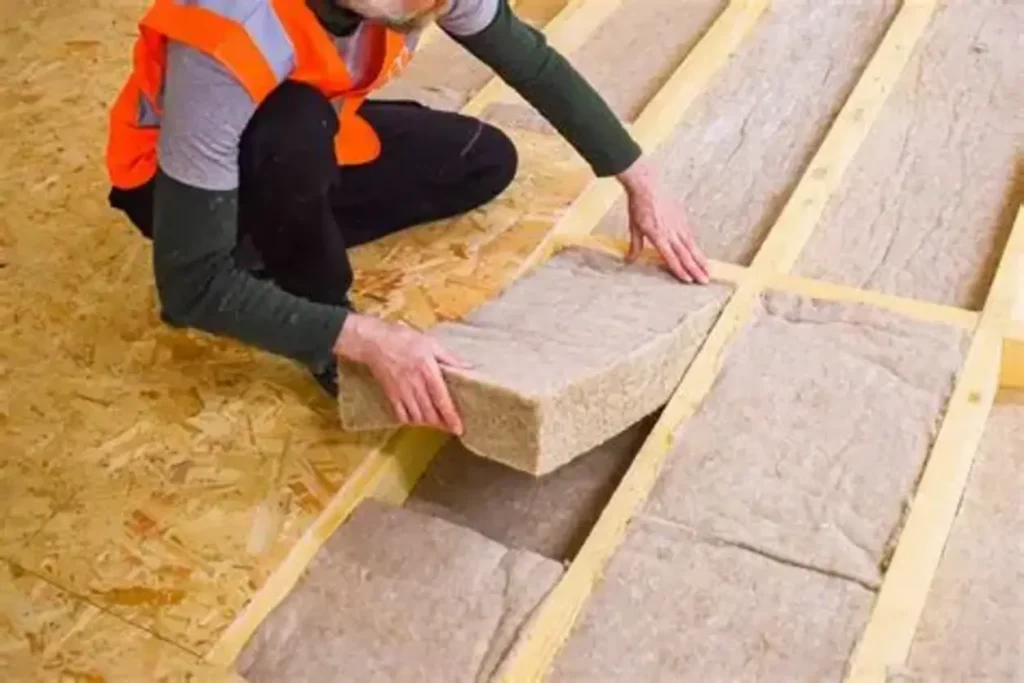
As homeowners search for more sustainable building materials, hemp insulation has emerged as an eco-friendly alternative to traditional products such as fiberglass and foam. Made primarily from natural hemp fibers, this insulation material offers impressive thermal performance, moisture regulation, and environmental benefits. However, before installing hemp insulation in your home, it is important to understand how it works, where it performs best, and whether it is the right choice for your project.
What Is Hemp Insulation?
Hemp insulation is a natural insulation product manufactured from the fibers of industrial hemp plants. These fibers are processed into flexible batts, rolls, or loose-fill materials that can be installed in walls, ceilings, roofs, and floors. Unlike synthetic insulation products, hemp insulation relies on renewable plant-based resources and contains little or no harmful chemicals.
Because industrial hemp grows quickly and absorbs significant amounts of carbon dioxide during cultivation, many builders consider hemp insulation one of the most environmentally responsible choices available today.
How Hemp Insulation Works
Like other insulation materials, hemp insulation slows the transfer of heat between indoor and outdoor spaces. Its dense fibrous structure traps air pockets, helping maintain comfortable temperatures throughout the year.
During winter, hemp insulation reduces heat loss and helps lower heating costs. In summer, it minimizes heat gain, keeping interior spaces cooler and reducing the demand on air conditioning systems.
Besides thermal resistance, hemp insulation also provides excellent sound absorption, making it a popular option for residential buildings where noise reduction is important.
Key Advantages of Hemp Insulation
Environmentally Friendly
One of the biggest reasons homeowners choose hemp insulation is sustainability. Hemp plants require relatively little water and fewer pesticides compared to many conventional crops. In addition, hemp is renewable and biodegradable.
The manufacturing process also produces fewer greenhouse gas emissions than many synthetic insulation materials.
Moisture Regulation
Unlike fiberglass or closed-cell foam, hemp fibers are naturally hygroscopic. This means they can absorb and release moisture without losing much of their insulating performance.
Proper moisture regulation helps:
- Reduce condensation problems.
- Minimize mold growth.
- Improve indoor air quality.
- Extend the life of building components.
This characteristic makes hemp insulation particularly attractive for homes in humid climates or regions with fluctuating temperatures.
Excellent Indoor Air Quality
Many conventional insulation materials contain chemicals or volatile organic compounds (VOCs). Hemp insulation products typically contain fewer synthetic additives, making them suitable for homeowners seeking healthier indoor environments.
People with allergies or chemical sensitivities often appreciate the natural composition of hemp-based products.
Soundproofing Benefits
The dense fiber structure of hemp effectively absorbs sound waves. This makes it ideal for:
- Interior partition walls.
- Bedrooms.
- Home offices.
- Media rooms.
- Multi-family housing.
Improved acoustic performance contributes to a quieter and more comfortable living space.
Long-Term Durability
When installed correctly and protected from excessive moisture exposure, hemp insulation can maintain its performance for decades. Its natural flexibility also helps it resist settling and compression better than some loose-fill materials.
Potential Drawbacks to Consider
Although hemp insulation offers numerous benefits, it may not be the perfect solution for every project.
Higher Initial Cost
One of the primary disadvantages is price. Hemp insulation generally costs more than fiberglass batts and some mineral wool products. The higher material cost may increase the overall construction budget.
However, many homeowners view the investment as worthwhile due to the energy savings and environmental advantages.
Limited Availability
Depending on your location, hemp insulation may not be as readily available as traditional materials. Some products may require special ordering, which can extend project timelines.
As demand grows, availability is expected to improve in many regions.
Professional Installation May Be Recommended
Although experienced DIY homeowners can install hemp batts, proper fitting and vapor management are essential for optimal performance. Hiring a professional installer can help ensure the insulation performs as intended.
Where Can Hemp Insulation Be Used?
Hemp insulation is versatile and suitable for various applications throughout the home.
Exterior Walls
Wall cavities are among the most common locations for hemp insulation. It helps improve energy efficiency while providing additional sound control.
Roofs and Attics
Roof assemblies and attic spaces benefit from hemp’s ability to regulate temperature and moisture. Proper installation can contribute to a more comfortable indoor environment year-round.
Floors
Insulating floors with hemp helps reduce heat transfer between stories and improves acoustic separation.
Interior Walls
Homeowners seeking soundproofing often use hemp insulation in non-load-bearing partition walls between bedrooms, bathrooms, and living spaces.
Is Hemp Insulation Fire Resistant?
Many people wonder whether natural insulation materials are safe from a fire standpoint. Modern hemp insulation products are typically treated with natural mineral additives that improve fire resistance.
Most products meet building code requirements and can achieve favorable fire performance ratings. However, homeowners should always verify local code requirements and product certifications before installation.
Comparing Hemp Insulation to Fiberglass
| Feature | Hemp Insulation | Fiberglass |
|---|---|---|
| Sustainability | Excellent | Moderate |
| Moisture Regulation | Very Good | Limited |
| Sound Absorption | Excellent | Good |
| Indoor Air Quality | Excellent | Moderate |
| Cost | Higher | Lower |
| Availability | Limited | Widely Available |
| Renewable Material | Yes | No |
While fiberglass remains a cost-effective choice, hemp insulation appeals to homeowners prioritizing sustainability, comfort, and healthy indoor environments.
Things to Know Before Installation
Before choosing hemp insulation, consider these factors:
- Evaluate your local climate.
- Confirm product availability in your area.
- Understand local building code requirements.
- Compare long-term energy savings against initial costs.
- Consider hiring experienced installers.
- Ensure proper moisture management within wall assemblies.
A well-designed insulation system works best when combined with quality air sealing and ventilation practices.
Final Thoughts
Hemp insulation represents an innovative and environmentally responsible solution for modern homes. Its combination of thermal efficiency, soundproofing capabilities, moisture regulation, and sustainable sourcing makes it increasingly attractive to homeowners and builders alike.
Although the initial investment may be higher than conventional materials, many people appreciate the long-term benefits and reduced environmental impact. By understanding the advantages and limitations before installation, homeowners can determine whether hemp insulation is the right choice for creating a healthier, more energy-efficient living space.
Post published: gstarboard.com