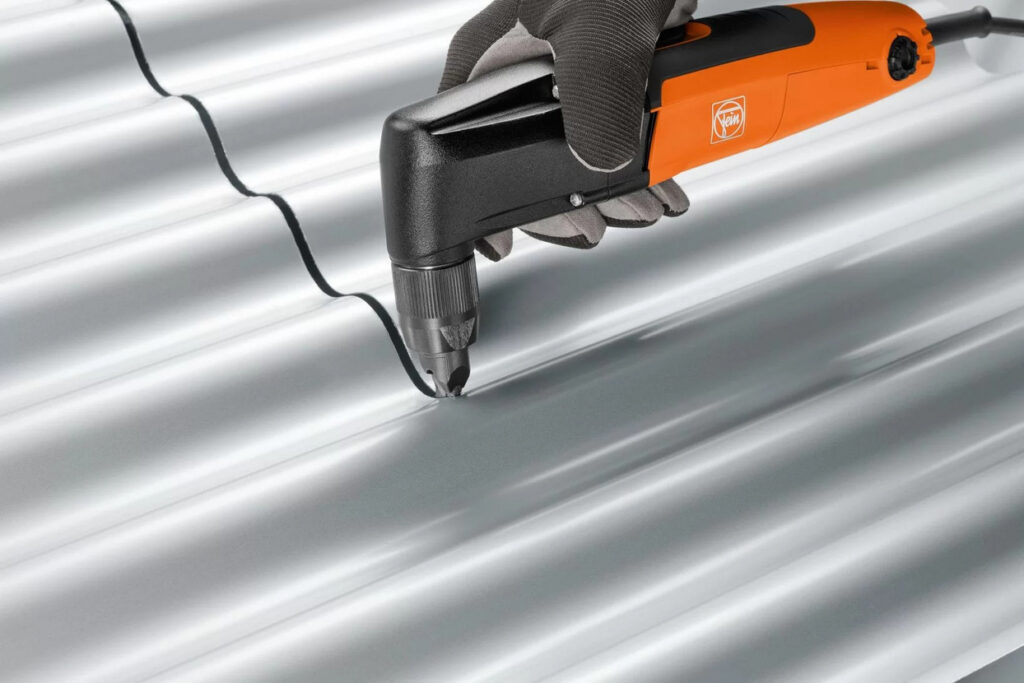
Metal roofing has become a popular choice for residential, commercial, and industrial buildings because of its durability, energy efficiency, and long service life. However, installing metal roofing requires more than quality panels and proper fasteners. Choosing the right cutting tool is equally important to achieve clean edges, maintain protective coatings, and ensure professional results.
With several cutting options available, many contractors and DIY enthusiasts wonder which tool performs best. This guide compares the most common metal roofing cutters and explains where each one excels.
Why Choosing the Right Metal Roofing Cutter Matters
Cutting metal roofing panels incorrectly can lead to jagged edges, damaged paint finishes, and premature corrosion. Some tools generate excessive heat, which may burn away protective coatings and shorten the life of the roofing material.
An ideal metal roofing cutter should provide:
- Clean and accurate cuts
- Minimal heat generation
- Fast cutting speed
- Ease of use
- Reduced waste and distortion
- Compatibility with different panel profiles
Understanding the strengths and limitations of each tool helps ensure a successful roofing project.
Aviation Snips
Aviation snips are among the most widely used hand tools for cutting metal roofing.
Advantages
- Affordable and readily available
- Suitable for detailed work and small cuts
- No electricity required
- Produces minimal heat
Disadvantages
- Slower than power tools
- Requires physical effort
- Less practical for long cuts
Best Applications
Aviation snips are ideal for trimming edges, cutting around vents, and making adjustments during installation. They work especially well on thin-gauge steel and aluminum roofing panels.
Electric Metal Shears
Electric shears are popular among roofing professionals because they offer speed and precision.
Advantages
- Fast and efficient
- Creates clean cuts
- Preserves paint coatings
- Easy to control
Disadvantages
- Higher initial cost
- Produces metal shavings that require cleanup
- Requires access to power or batteries
Best Applications
Electric shears are excellent for straight cuts and large roofing jobs. Contractors often prefer them when handling multiple panels in a single project.
Nibblers
Nibblers remove small pieces of metal during cutting, allowing them to navigate curves and complex shapes.
Advantages
- Produces minimal distortion
- Excellent for curved cuts
- Maintains protective finishes
- Suitable for corrugated and ribbed panels
Disadvantages
- Leaves numerous metal chips
- Slightly slower than shears
- Requires regular maintenance
Best Applications
Nibblers are highly effective for cutting around pipes, skylights, and irregular roof features. Their flexibility makes them a favorite among professional installers.
Circular Saw with Metal-Cutting Blade
Many contractors use circular saws equipped with carbide-tipped metal-cutting blades.
Advantages
- Extremely fast
- Ideal for long, straight cuts
- Suitable for thicker materials
Disadvantages
- Generates noise and sparks
- Requires proper safety equipment
- Can damage protective coatings if used improperly
Best Applications
Circular saws are commonly used when cutting multiple roofing panels quickly. They are especially useful for large commercial roofing projects.
Angle Grinder
Angle grinders are versatile tools found on many job sites. However, they are often controversial for metal roofing applications.
Advantages
- Inexpensive
- Readily available
- Capable of cutting various metals
Disadvantages
- Produces excessive heat
- Generates sparks
- May damage galvanized or painted finishes
- Can void manufacturer warranties
Best Applications
Although angle grinders can cut metal roofing, many manufacturers discourage their use because the heat may compromise corrosion-resistant coatings. They are generally better suited for heavy steel fabrication rather than roofing panels.
Double-Cut Shears
Double-cut shears represent a premium cutting solution designed specifically for sheet metal.
Advantages
- Leaves smooth edges
- Produces minimal waste
- Reduces panel distortion
- High cutting speed
Disadvantages
- More expensive than standard shears
- Requires practice for optimal results
Best Applications
Double-cut shears are ideal for professional roofing contractors seeking precision and efficiency.
Reciprocating Saw
A reciprocating saw equipped with a fine-tooth metal blade can also cut roofing materials.
Advantages
- Versatile
- Effective for demolition work
- Useful for confined spaces
Disadvantages
- Rougher edges
- Increased vibration
- Less precise than shears or nibblers
Best Applications
Reciprocating saws are better suited for repair projects and removing existing roofing components rather than making precise cuts on new panels.
Comparing the Best Metal Roofing Cutters
| Tool | Speed | Precision | Heat Generation | Best For |
|---|---|---|---|---|
| Aviation Snips | Moderate | High | Very Low | Small cuts and adjustments |
| Electric Shears | High | High | Low | Large roofing projects |
| Nibblers | Moderate | Excellent | Low | Curved and detailed cuts |
| Circular Saw | Very High | High | Moderate | Long straight cuts |
| Angle Grinder | High | Moderate | High | Heavy-duty metal work |
| Double-Cut Shears | High | Excellent | Low | Professional installations |
| Reciprocating Saw | Moderate | Moderate | Moderate | Repairs and demolition |
Which Tool Performs Best?
There is no single answer because the best tool depends on the application. However, several options stand out:
Best Overall: Electric Shears
Electric shears offer an excellent combination of speed, precision, and coating protection. They are suitable for most residential and commercial roofing installations.
Best for Complex Shapes: Nibblers
Nibblers excel when cutting around roof penetrations and irregular profiles. Their ability to make curved cuts with minimal distortion makes them highly valuable.
Best for Long Straight Cuts: Circular Saw with Metal Blade
For large-scale projects requiring speed, circular saws provide exceptional productivity when used correctly.
Best Budget Option: Aviation Snips
Aviation snips remain a reliable and affordable solution for smaller projects and finishing work.
Best Professional Choice: Double-Cut Shears
Professional contractors often prefer double-cut shears because they combine speed with superior edge quality and reduced panel deformation.
Safety Tips When Cutting Metal Roofing
Regardless of the tool used, safety should always come first.
- Wear safety glasses and gloves.
- Use hearing protection with power tools.
- Remove metal shavings immediately to prevent rust stains.
- Follow manufacturer recommendations for cutting methods.
- Ensure panels are properly supported during cutting.
- Keep blades sharp for cleaner and safer operation.
Conclusion
Selecting the right metal roofing cutter can significantly affect the quality and longevity of a roofing installation. While aviation snips remain useful for detail work, electric shears and double-cut shears deliver outstanding overall performance. Nibblers provide unmatched flexibility for curved cuts, while circular saws excel in high-volume applications.
Ultimately, the best metal roofing cutter depends on your project size, budget, and desired level of precision. By choosing the proper tool, contractors and DIY homeowners can achieve cleaner cuts, preserve protective coatings, and create durable roofing systems that stand the test of time.
Article publish by: toko baut mur – tokohasil