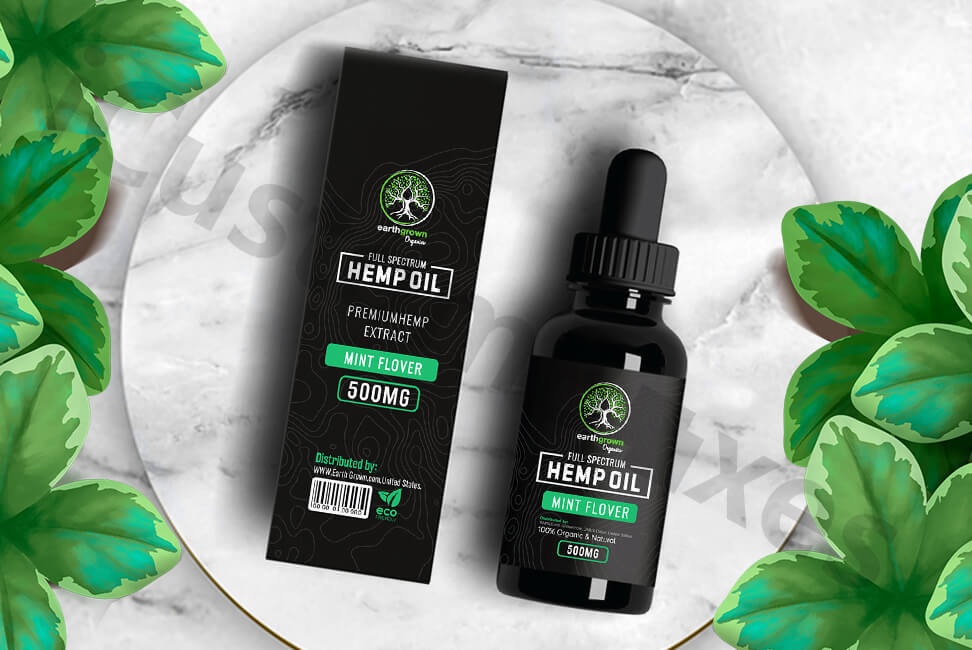
The hemp industry continues to expand rapidly across global markets. As more brands enter this space, packaging compliance becomes a critical factor for success. Hemp Oil Boxes do more than protect products; they communicate legality, safety, and credibility. Therefore, brands must understand packaging rules, labeling standards, and industry expectations before launching their products.
In this detailed guide, you will learn essential compliance tips that help you design legal, trustworthy, and market-ready hemp oil packaging. You will also discover how smart packaging improves brand reputation and customer trust.
Why Compliance Matters for Hemp Oil Packaging
First of all, hemp products belong to a highly regulated industry. Governments closely monitor labeling, ingredients, and claims. If your packaging fails to meet compliance standards, authorities may remove your products from shelves. Moreover, non-compliant packaging can damage your brand reputation.
Properly designed Hemp Oil Boxes help brands:
- Avoid legal penalties
- Build customer confidence
- Ensure product transparency
- Enter new markets smoothly
- Stand out in competitive retail spaces
Therefore, compliance should become a priority from the very beginning of packaging design.
Understanding Hemp vs CBD Regulations
Before designing packaging, brands must understand the legal difference between hemp oil and CBD oil. Although many consumers use the terms interchangeably, regulators treat them differently.
Hemp oil comes from hemp seeds and contains little or no THC. On the other hand, CBD oil comes from hemp flowers and contains cannabinoids. Because of this distinction, governments enforce specific labeling rules.
For example:
- Many countries allow hemp seed oil freely.
- CBD products require stricter labeling and testing.
- THC content must remain below legal limits (often 0.3%).
Therefore, brands must clearly identify their product type on Custom Hemp Oil Boxes to avoid confusion and legal risk.
Essential Labeling Requirements for Hemp Oil Boxes
Labeling plays a crucial role in compliance. Clear labels protect consumers and show regulatory transparency. Let’s explore the key elements every hemp oil package must include.
1. Accurate Product Identity
Your packaging must clearly state the product name. For example, you should write “Hemp Seed Oil” instead of simply “Hemp Oil.” This clarity prevents misleading claims and helps regulators verify product authenticity.
2. Ingredient List
Next, brands must provide a complete ingredient list. Even if hemp oil stands alone, you must mention carriers, flavors, or additives. Transparency helps customers make informed decisions.
3. Net Quantity Statement
Every package must display the exact product quantity. You should include both metric and imperial units when possible. For instance:
- 30 ml (1 fl oz)
- 60 capsules
- 500 mg per bottle
This requirement ensures fair trade and accurate marketing.
4. Manufacturer Information
You must include the brand name, company address, and contact details. This information enables customers and regulators to trace product origin easily.
5. Batch Number and Expiry Date
Batch numbers support product tracking and recall processes. Additionally, expiry dates inform customers about product freshness and safety.
Clearly printed information improves the reliability of Hemp Oil Packaging Boxes.
Avoiding Medical Claims on Packaging
Many brands make a major compliance mistake by adding medical claims. Regulatory bodies strictly monitor health-related statements. Therefore, you must avoid claims like:
- “Cures anxiety”
- “Treats chronic pain”
- “Prevents diseases”
Instead, you should use safe and compliant wording such as:
- “Supports wellness”
- “Promotes relaxation”
- “Part of a healthy lifestyle”
This approach protects your brand from legal trouble while maintaining consumer trust.
Importance of Child-Resistant Packaging
Safety always remains a top priority in the hemp industry. Many regions require child-resistant packaging for hemp-derived products. Although hemp oil often contains no THC, authorities still encourage precaution.
Child-resistant Printed Hemp Oil Boxes help prevent accidental ingestion. Moreover, they demonstrate responsible brand behavior. Features may include:
- Tamper-evident seals
- Secure locking lids
- Tear-resistant packaging
These features protect both consumers and your brand image.
Compliance with Sustainability Regulations
Today’s customers expect eco-friendly packaging. At the same time, many governments enforce sustainability regulations. Therefore, brands must adopt environmentally responsible packaging solutions.
Sustainable Eco-Friendly Hemp Oil Boxes use:
- Recyclable cardboard
- Biodegradable inks
- Soy-based printing
- Minimal plastic usage
Not only does this approach support compliance, but it also strengthens brand loyalty.
Barcode and Retail Requirements
Retail stores require barcodes for inventory tracking. Without barcodes, retailers cannot sell or manage your products efficiently.
You should ensure your packaging includes:
- UPC or EAN barcode
- Proper barcode placement
- Clear scanning area
Meeting retail standards helps your products enter supermarkets, pharmacies, and online marketplaces more easily.
Compliance with International Shipping Laws
Many hemp brands sell globally. However, international shipping introduces new compliance challenges. Different countries enforce unique hemp regulations.
For example:
- Some countries ban CBD but allow hemp seed oil.
- Some countries require import certifications.
- Some countries require multilingual labeling.
Therefore, brands must research destination laws before shipping products. Smart Wholesale Hemp Oil Boxes often include multi-language labels to support global distribution.
The Role of Tamper-Evident Packaging
Tamper-evident packaging builds consumer confidence. It shows customers that the product remains safe and untouched.
Common tamper-evident features include:
- Sealed flaps
- Security stickers
- Shrink wraps
- Tear strips
Customers trust brands that prioritize safety. Consequently, tamper-proof Hemp Oil Boxes increase credibility and repeat purchases.
Typography and Readability Compliance
Packaging design must remain readable and clear. Regulators often require minimum font sizes for important information. Therefore, brands must avoid decorative fonts that reduce readability.
Best practices include:
- Use legible font sizes
- Maintain high color contrast
- Avoid overcrowded text
- Highlight warnings clearly
Readable packaging supports both compliance and customer experience.
Warning Statements and Legal Disclaimers
Many regions require warning statements on hemp products. These warnings protect vulnerable groups and promote responsible usage.
Common disclaimers include:
- Keep out of reach of children
- Not intended for pregnant or nursing women
- Consult a physician before use
- This product is not intended to diagnose, treat, cure, or prevent any disease
Including disclaimers on Hemp Oil Boxes Wholesale reduces legal risk and demonstrates transparency.
Packaging Design That Supports Compliance
Design and compliance must work together. Creative packaging should never hide essential information. Instead, design should enhance clarity.
Effective packaging design strategies include:
- Use dedicated sections for legal text
- Maintain balanced layout spacing
- Highlight compliance icons
- Avoid misleading imagery
Good design improves compliance while strengthening brand appeal.
The Importance of Third-Party Testing Information
Customers demand proof of quality. Third-party lab testing provides that proof. Many brands now include QR codes on packaging that link to lab reports.
Benefits of including testing information:
- Demonstrates transparency
- Confirms THC levels
- Builds consumer trust
- Meets retailer expectations
Therefore, QR codes on Custom Printed Hemp Oil Boxes enhance credibility and compliance simultaneously.
Compliance Mistakes Brands Must Avoid
Even experienced brands make packaging errors. Avoid these common mistakes:
- Using unverified health claims
- Hiding essential labeling in small fonts
- Ignoring sustainability rules
- Skipping tamper-evident features
- Mislabeling THC content
- Forgetting import/export regulations
Avoiding these errors saves time, money, and legal complications.
How Compliance Improves Brand Trust
Compliance does more than meet regulations. It builds long-term customer loyalty. When customers see clear labeling and professional packaging, they trust the product instantly.
Trust leads to:
- Higher sales
- Better reviews
- Repeat purchases
- Stronger brand reputation
Therefore, investing in compliant Hemp Oil Boxes becomes a smart business strategy.
Future Trends in Hemp Packaging Compliance
The hemp industry continues to evolve. Regulations will likely become stricter in the future. Brands must stay updated to remain competitive.
Future trends include:
- Smart packaging with QR verification
- Fully biodegradable packaging materials
- Digital compliance tracking
- Stricter labeling laws
- Increased demand for transparency
Brands that adapt early will gain a major advantage.
Final Thoughts
The hemp market offers massive growth opportunities. However, success requires careful attention to compliance. Well-designed Hemp Oil Boxes protect your products, build trust, and support legal distribution.
By following these compliance tips, brands can confidently navigate regulations and expand into new markets. Clear labeling, sustainable materials, tamper-proof designs, and responsible messaging all contribute to long-term success.
Ultimately, compliant packaging does more than meet legal requirements—it strengthens brand credibility and ensures customer confidence. Therefore, every hemp brand should treat packaging compliance as a top priority from day one.