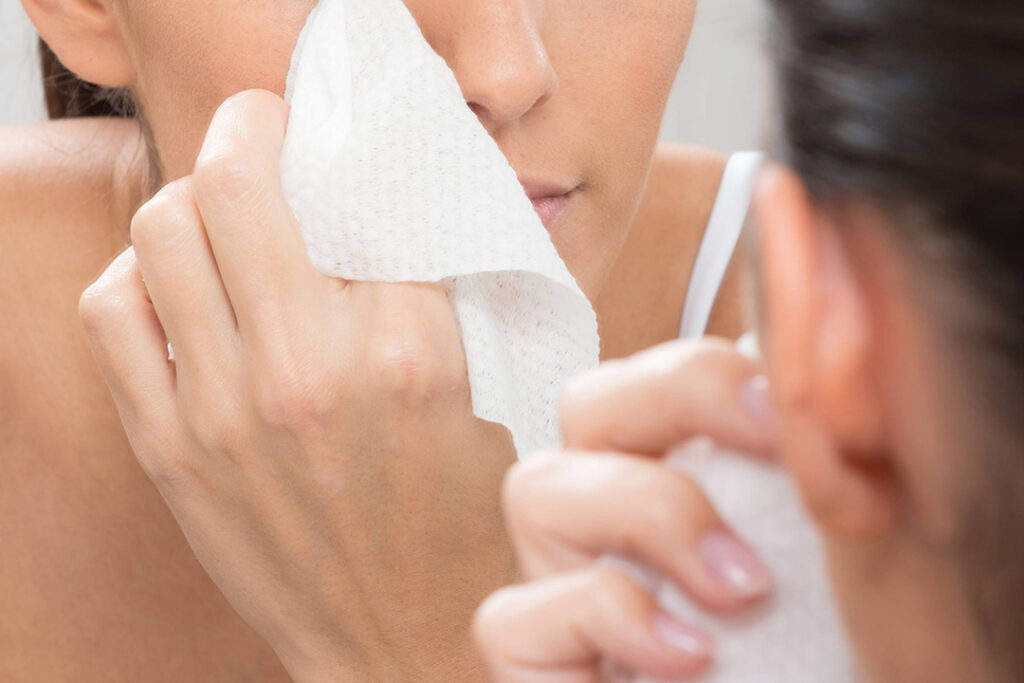
When you reach for a tissue to wipe your face, blow your nose, or dab your eyes, the last thing on your mind is probably the engineering that went into making that small piece of paper. Yet behind every soft, gentle sheet lies a carefully designed process focused on one thing: protecting your skin.
Facial tissue paper is not simply ordinary paper cut into squares. It is specifically engineered for repeated contact with delicate areas like the nose, eyes, lips, and cheeks. For people with sensitive skin, allergies, colds, rosacea, or eczema, the quality of tissue used every day can significantly affect skin comfort and health.
In this article, we explore the science behind the best facial tissue paper, how it is made, and why choosing a high-quality brand like Fay can help protect sensitive skin.
What Makes Facial Tissue Paper Different From Regular Paper?
Not all paper products are created equally. Standard paper products are designed mainly for function — printing, wrapping, or absorbing. Facial tissue paper, however, is developed specifically for direct skin contact.
The key difference lies in the fibres. Facial tissues use shorter, finer fibres that create a smoother and softer texture. This reduces friction against the skin, which is especially important when tissues are used repeatedly during colds or allergies.
Repeated rubbing with rough tissue can damage the skin barrier, leading to redness, irritation, and dryness. High-quality facial tissue paper is engineered to minimise this friction and reduce stress on sensitive facial skin.
The Role of Pulp Quality in Tissue Softness
The quality of raw materials plays a major role in how soft and skin-friendly a tissue feels.
Premium facial tissues are commonly made from virgin wood pulp, which contains cleaner and stronger fibres compared to recycled pulp. Virgin pulp creates a softer, more uniform surface that feels gentler on the skin.
During manufacturing, the pulp undergoes a refining process called beating, where fibres are broken down to achieve the ideal softness and texture. The pulp is then mixed with water to form a slurry and spread into thin sheets.
One of the most important stages is creping — a process that creates tiny folds in the tissue sheet. These folds improve softness, flexibility, and cushioning, allowing the tissue to glide gently across the skin instead of scraping against it.
Without creping technology, even high-quality pulp would feel stiff and uncomfortable.
Lotion-Infused and Aloe-Enhanced Tissues: Do They Really Help?
Modern facial tissue paper often includes soothing ingredients like lotion, aloe vera, vitamin E, or chamomile. These additions are more than marketing features — they provide genuine benefits for sensitive or irritated skin.
Lotion-infused tissues help reduce dryness caused by repeated wiping. This is especially useful during flu season when tissues are used constantly throughout the day.
Aloe vera is known for its soothing and anti-inflammatory properties. It helps calm irritated skin and maintain moisture around the nose and eyes.
Vitamin E supports the skin barrier and assists recovery from repeated friction. Together, these ingredients help prevent the cracking, redness, and soreness commonly caused by excessive tissue use.
For individuals with sensitive skin, these features can make a noticeable difference in daily comfort.
Why Harmful Additives Matter
Just as important as what goes into a tissue is what stays out of it.
Lower-quality tissues may contain chemical brighteners, synthetic fragrances, or harsh resins that can irritate sensitive skin.
Common additives that may trigger irritation include:
- Optical brighteners used to create a whiter appearance
- Artificial fragrances linked to contact dermatitis
- Formaldehyde-based resins added for wet strength
Fragrances are particularly problematic because they are one of the most common causes of skin irritation and allergic reactions.
High-quality facial tissue paper is usually dermatologically tested and designed to minimise unnecessary chemicals. Choosing fragrance-free and skin-safe products is especially important for people with allergies, eczema, or reactive skin.
How Ply and Sheet Construction Protect Skin
The number of layers — known as plies — affects both softness and skin protection.
Single-ply tissues tend to feel thinner and rougher because there is less cushioning between the hand and the skin. Multi-ply tissues distribute pressure more evenly and reduce friction.
Benefits of multi-ply facial tissues include:
- Better softness and cushioning
- Improved absorption
- Reduced risk of skin irritation
- Greater durability during use
A quality tissue combines multiple layers, soft fibre construction, and advanced creping technology to create a product that is both gentle and effective.
Fay designs its facial tissue products around these principles, offering soft, durable, and highly absorbent tissues suitable for everyday use.
Why Dermatological Testing Is Important
When a facial tissue product is labelled dermatologically tested, it means the tissue has been evaluated under controlled conditions to ensure it does not cause irritation during normal use.
This testing often includes patch tests on people with different skin types, including sensitive skin.
For Pakistani consumers, this matters because climate, dust exposure, and environmental conditions can make skin more reactive. A tissue that performs well under dermatological testing provides extra reassurance for daily use.
Fay has spent over 30 years building trust in Pakistani households by focusing on quality control, product safety, and skin-friendly tissue engineering.
Choosing the Right Facial Tissue for Your Skin Type
Different skin types benefit from different tissue features.
For dry or sensitive skin:
Choose lotion-infused or aloe-enhanced tissues that provide extra moisture and soothing comfort.
For oily or acne-prone skin:
Fragrance-free and additive-free tissues are often the best option to avoid clogging pores or triggering irritation.
For children:
Children’s skin is thinner and more delicate than adult skin, making soft, dermatologically tested tissues especially important.
No matter your skin type, choosing a soft, multi-ply facial tissue paper can help reduce irritation and improve comfort during daily use.
Why Fay Is a Trusted Choice in Pakistan
Finding facial tissue paper that balances softness, strength, and affordability can be difficult. Some budget tissues sacrifice comfort for lower prices, while imported brands may be too expensive for regular household use.
Fay offers the ideal balance for Pakistani families. With decades of experience and a commitment to quality, Fay produces facial tissues that are soft, strong, skin-friendly, and suitable for all family members.
From fibre quality to sheet construction, every detail is carefully designed to support safe and comfortable daily hygiene.
Available nationwide through Fay official website, Fay continues to be a trusted name in homes across Pakistan.
Final Thoughts
Facial tissue paper may seem like a simple everyday product, but the science behind it is surprisingly advanced. From fibre engineering and creping technology to dermatological testing and skin-safe ingredients, every detail contributes to how gentle a tissue feels on your skin.
Choosing the right tissue is not just about softness — it is about protecting sensitive skin from unnecessary irritation and discomfort.
With carefully engineered products designed for comfort, safety, and daily performance, Fay makes that choice simple for Pakistani households.
Frequently Asked Questions (FAQs)
1. What makes facial tissue paper softer than regular paper?
Facial tissue paper uses finer fibres, creping technology, and multi-ply construction to create a smoother, softer texture that reduces friction on the skin.
2. Are lotion-infused tissues safe for sensitive skin?
Yes, most lotion-infused tissues are designed to reduce irritation and dryness caused by repeated wiping. However, people with extremely sensitive skin should choose dermatologically tested options.
3. Why do some tissues irritate the skin?
Lower-quality tissues may contain fragrances, harsh chemicals, or rough fibres that increase friction and trigger irritation, redness, or dryness.
4. Is virgin pulp better than recycled pulp for facial tissues?
Virgin pulp generally produces softer and smoother tissues because the fibres are cleaner, longer, and more uniform than recycled fibres.
5. How many plies are best for facial tissue paper?
Two-ply and three-ply tissues are typically better for comfort and skin protection because they provide improved cushioning and absorption.
6. Why is Fay a good choice for facial tissue paper in Pakistan?
Fay combines softness, durability, skin safety, and affordability while maintaining high-quality standards developed over more than 30 years of serving Pakistani households.